

Do Bird Feathers Grow Back? A Parrot Parent's Guide
You clean the cage tray, glance down, and freeze.
There’s a little pile of feathers staring back at you.
If you’re a new bird parent, that moment can make your stomach drop fast. One minute your parrot looks fluffy and fine. The next minute you’re wondering if something is wrong, if the feathers will grow back, and whether you should panic-call the vet before breakfast.
The good news is that yes, bird feathers usually do grow back. But the better answer is a little more helpful than a simple yes. Feather loss can mean very different things depending on which feathers are missing, how they were lost, and what your bird looks and acts like otherwise.
That’s where a little detective work helps.
A healthy molt can leave your cockatiel, conure, African Grey, Amazon, cockatoo, or macaw looking a bit scruffy for a while. On the other hand, bald patches, chewed feathers, or sudden changes in behavior can point to stress, poor environment, or illness. Knowing the difference helps you respond calmly and wisely.
That First Feather Pile Panic We Have All Been There
The first time it happened with one of my birds, I remember doing the same thing most parrot owners do. I picked up a feather, turned it over like I was some kind of tiny crime-scene investigator, and asked, “Is this normal?”
That question is the heart of this whole topic.
Sometimes the answer is wonderfully boring. Your bird is just changing outfits, one feather at a time, like a very dramatic little celebrity with seasonal wardrobe needs. Other times, the feather story is trying to tell you something more serious.
What your bird parent brain sees first
Usually, you notice one of these things:
- A cluster of feathers in the cage after cleaning day
- A scruffy look around the head, neck, or body
- One odd broken feather that suddenly seems impossible to stop staring at
- Extra preening that makes you wonder if your bird is grooming or overdoing it
None of those automatically mean trouble.
In many homes, feathers on the tray are just part of life with parrots. They’re right up there with seed dust, toy confetti, and the mystery of how one bird can fling food so far.
Practical rule: Feathers on the cage floor are a clue, not a diagnosis.
The question behind the question
When people ask, do bird feathers grow back, they’re usually asking two things at once:
- Is my bird okay right now?
- Will this fix itself naturally?
Those are not always the same answer.
A molting bird may be perfectly healthy and still look rough for a bit. A bird with unhealthy feather loss may also lose feathers, but the pattern looks different. The body language often looks different too.
If your bird is active, eating, vocalizing normally, and sprouting new feathers, that’s usually reassuring. If your bird has bald patches, damaged feathers, irritated skin, or seems off, it’s time to look closer.
If your feathered friend needs more healthy outlets for chewing, shredding, and staying busy, rotating bird-safe toys for parrots can help redirect that busy beak in a much better direction.
The Magic of Molting How Feathers Naturally Regrow
Feathers do grow back in many cases, but they do not regrow the way hair does. Each feather comes from a tiny pocket in the skin called a follicle. You can picture that follicle as a small feather workshop. When the follicle is healthy and the body is ready to replace that feather, it can build a new one.
That is the basic reason many lost feathers return. The primary task is discerning whether your bird is losing feathers through a normal replacement cycle or for a reason that needs attention.
What molting is
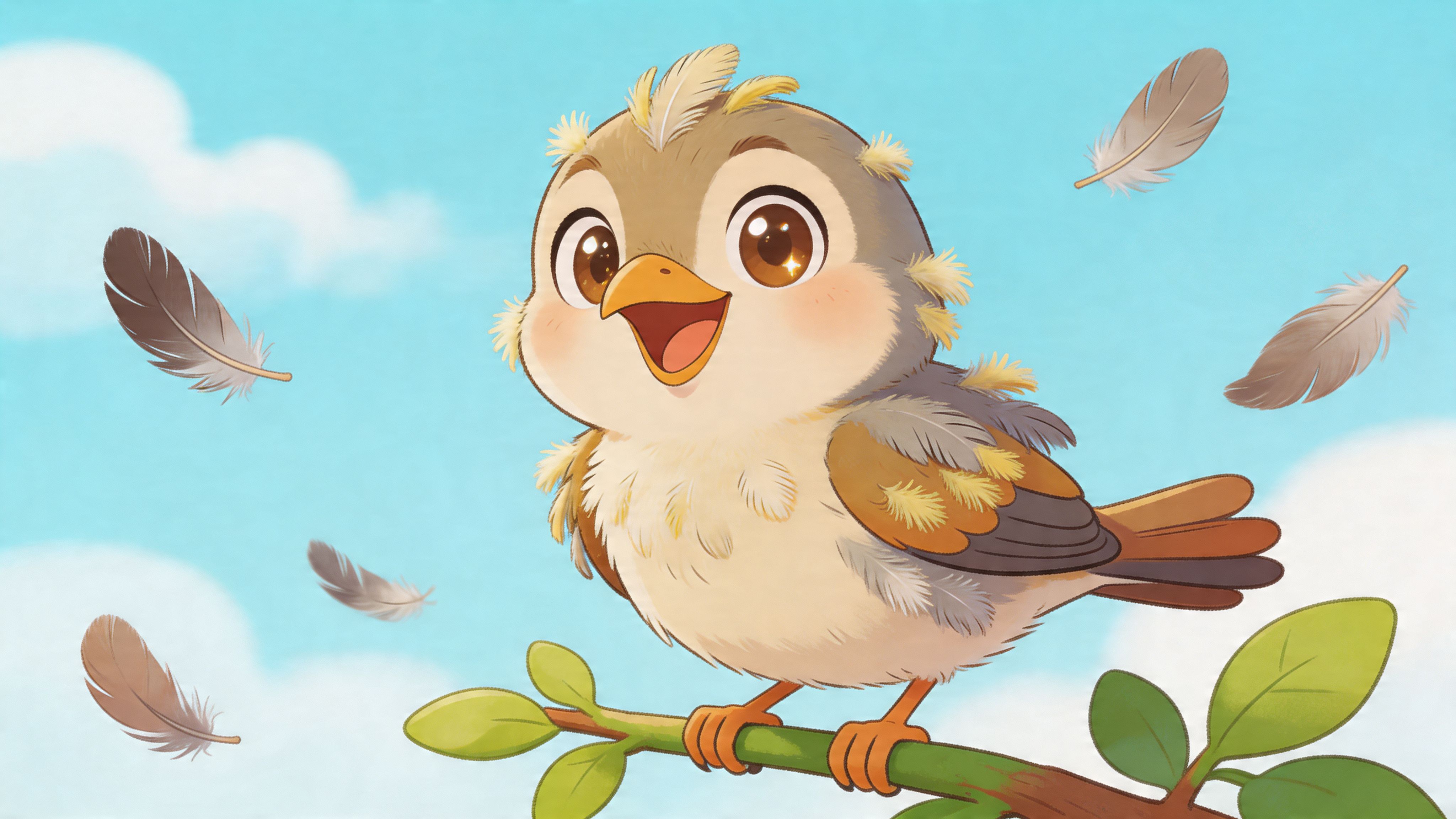
Molting is your bird’s built-in feather swap. Old feathers get worn, faded, or damaged by daily life. New feathers come in to replace them.
A healthy parrot usually replaces feathers in a careful pattern, not all at once. Roof shingles are a helpful comparison here. If you removed every shingle on one day, the house would be exposed. Birds avoid that problem by replacing feathers bit by bit so they can still stay warm, balance well, and for many species, fly safely.
Molting also tends to follow an organized body plan. Flight feathers are often replaced in matching pairs from side to side, which helps the bird stay more balanced. For a general explanation of molt timing and feather recovery, this overview from BirdTricks gives a useful big-picture summary.
Meet the pin feather
New feathers do not pop out looking finished.
They begin as pin feathers, those little stiff spikes many bird parents notice around the head, neck, or shoulders. Each one is a growing feather wrapped in a protective keratin sheath. While it is still developing, you may also hear it called a blood feather, meaning the feather has an active blood supply inside the shaft.
This is why molting birds can seem touchy. A spot that looked harmless yesterday may feel tender today. Gentle handling matters, especially around areas packed with new growth.
Why a normal molt can look messy
A bird in a healthy molt can look surprisingly awkward for a while. Feathers may sit unevenly. The body can look fluffier in one area and thinner in another. Your bird may preen more, nap more, or ask for less touching.
Those changes can be unsettling if you are only watching the cage floor.
A better clue is whether you see the full replacement story. Old feathers drop. New pins appear. The skin stays fairly calm. Your bird still acts like themselves overall, even if they are a little itchier and less patient.
One detail that confuses many bird parents
How a feather was lost affects when it comes back.
If a feather drops as part of molt, that follicle is already on schedule to grow the next one. If a feather is broken off, the body may wait until that follicle’s next normal turn in the cycle before replacing it. That is why one bird seems to bounce back quickly while another keeps a ragged-looking flight feather for quite a while.
This is the heart of feather detective work. Seeing feathers fall is only the first clue. The pattern, the new growth, and your bird’s comfort level tell you far more.
A Molting Calendar Timelines for Common Parrots
You clean the cage one morning and find a small drift of feathers on the paper. By dinner, your bird looks almost the same, but now you are staring at every loose fluff and wondering what timeline you are supposed to expect.
That worry is common because parrots do not follow one neat calendar. Two healthy birds can molt in very different ways and still be perfectly normal. A budgie may seem to drop feathers in quick little bursts, while a macaw can look like feather regrowth is taking forever because each feather is so much larger.
Your job is not to compare your bird to every parrot online. Your job is to learn your own bird’s pattern.
Young birds and first feather changes
Young parrots often move through early feather changes faster than older birds with a history of stress, poor nutrition, or feather damage. A juvenile bird replacing baby feathers is usually following a normal developmental plan. An adult bird recovering from chronic plucking is trying to rebuild after that plan has been interrupted.
That difference matters because it changes what “normal progress” looks like.
A young bird may seem to tidy up quickly over one season. A rescue cockatoo or macaw with damaged feathers may need more than one molt cycle before the coat looks full again. Slow progress does not always mean something is wrong. In larger or previously plucked parrots, it can mean the body is working through a longer repair job.
What this looks like by bird type
A simple way to picture it is to think in terms of rhythm, not exact dates.
| Parrot type | What bird parents often notice |
|---|---|
| Budgies and cockatiels | Molts often look obvious, with lots of fluff, pin feathers, and a suddenly scruffy look |
| Conures | Feathers may seem to cycle in waves, with sleek days followed by slightly untidy ones |
| African Greys and Amazons | Molting can be subtle and gradual, so the change is easier to miss day by day |
| Cockatoos and macaws | Large wing and tail feathers take longer to replace, so the whole process can feel stretched out |
This chart is a guide, not a countdown clock. It helps you ask better questions. Is my bird losing feathers evenly? Do I see replacement coming in over time? Does this pace fit their species and feather size?
Those are detective questions, and they are much more useful than asking whether every molt should look the same.
Why larger parrots can seem like they are always molting
Big parrots are working with bigger building materials. Replacing a tiny body feather is a shorter project than replacing a long flight feather or tail feather. That is why a macaw or cockatoo may appear to be in a constant state of feather work, even when the process is still within the range of normal.
It helps to picture a patch job versus a roof replacement. Small feathers are quick repairs. Large feathers take more time to grow, align, and wear in.
Season, daylight, stress, age, and overall health can all shift how noticeable a molt becomes. Some years look messier than others. Some birds stay fairly polished while still replacing feathers in the background.
The goal is not to force your parrot into a universal schedule. The goal is to recognize their personal rhythm well enough that you can tell the difference between a normal molt and a pattern that deserves a closer look.
When Feather Loss Is a Red Flag Spotting the Difference
Here, bird parents become feather detectives.
Normal molt and unhealthy feather loss can overlap at first glance. Both involve feathers on the floor. Both can make your bird look less polished. But the pattern tells the story.
Signs that usually fit a normal molt
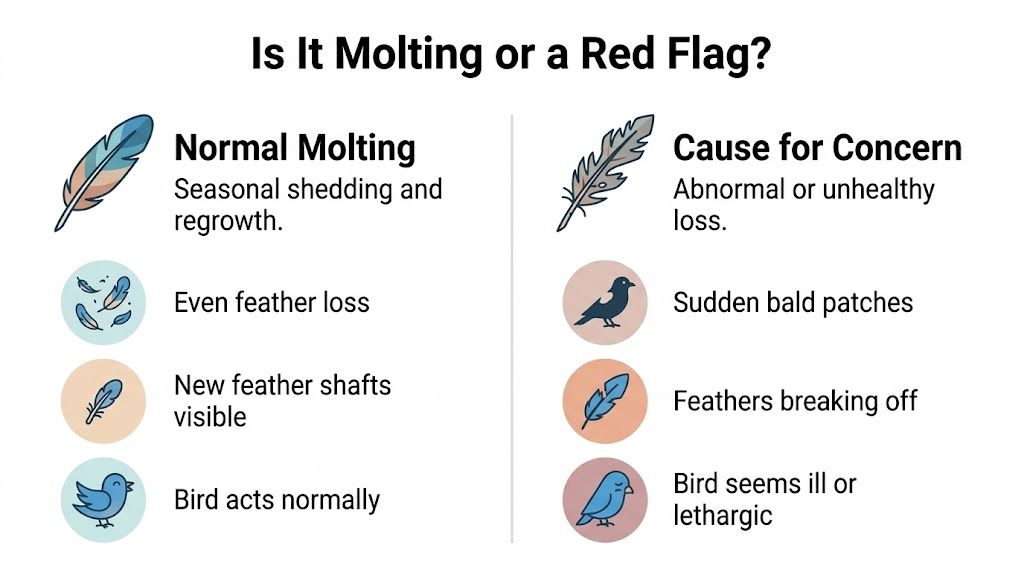
A healthy molt is usually gradual, not shocking. Your bird still acts like themselves. You may see pin feathers coming in, especially on the head and neck where your bird can’t preen as easily.
Common good signs include:
- Even feather loss instead of one dramatic bare spot
- New feather shafts visible as feathers grow in
- Normal energy and appetite
- Symmetry, especially with flight feathers
- More preening, but not frantic destruction
Signs that deserve a closer look
Problem feather loss usually has a different feel to it. It may look sudden, uneven, or self-damaged. The skin may become easier to see, especially on the chest, legs, or under the wings.
Watch closely if you notice:
- Bald patches
- Chewed, frayed, or snapped feathers
- Red, irritated, or crusty skin
- Lethargy or acting “off”
- Behavior changes, such as more screaming, hiding, or constant fussing with feathers
A bird who is losing feathers normally usually still looks like a bird in a messy sweater. A bird with unhealthy feather loss can start to look unfinished.
Normal Molt vs. Problematic Feather Loss
| Symptom | Normal Molt (Good Sign!) | Problematic Loss (Red Flag!) |
|---|---|---|
| Feather pattern | Gradual and fairly even | Uneven, sudden, or patchy |
| New growth | Pin feathers are visible | Little regrowth or damaged regrowth |
| Skin | Mostly covered and calm-looking | Bald, irritated, sore, or inflamed |
| Feather condition | Intact feathers shed naturally | Feathers look chewed, shredded, or broken |
| Behavior | Bird acts normally overall | Bird seems stressed, lethargic, or uncomfortable |
| Flight feathers | Often matched on both sides | Missing or damaged in a way that affects balance or flight |
One red flag people miss
Broken feathers are easy to underestimate.
A naturally molted feather is part of the body’s plan. A broken feather is damage. Consumer advice often skips this distinction, but it matters because molted feathers are regrown right away while broken feathers are not replaced until that broken feather is molted, and damage to more than a few flight feathers can leave a bird flightless for up to a year. That same discussion also explains imping, a procedure that uses donor feathers to restore function while natural regrowth waits for the next molt, as covered by the California Wildlife Center’s guide to helping birds get their wings back.
That’s one reason a bird can lose “just a few feathers” and still need real support.
Causes of Unhealthy Feather Loss and When Feathers Might Not Regrow
When feather loss isn’t a normal molt, the next question is why.
Usually, the cause falls into one of three buckets. Behavior, environment, or health. Sometimes more than one is involved at the same time.
Behavior can start the cycle
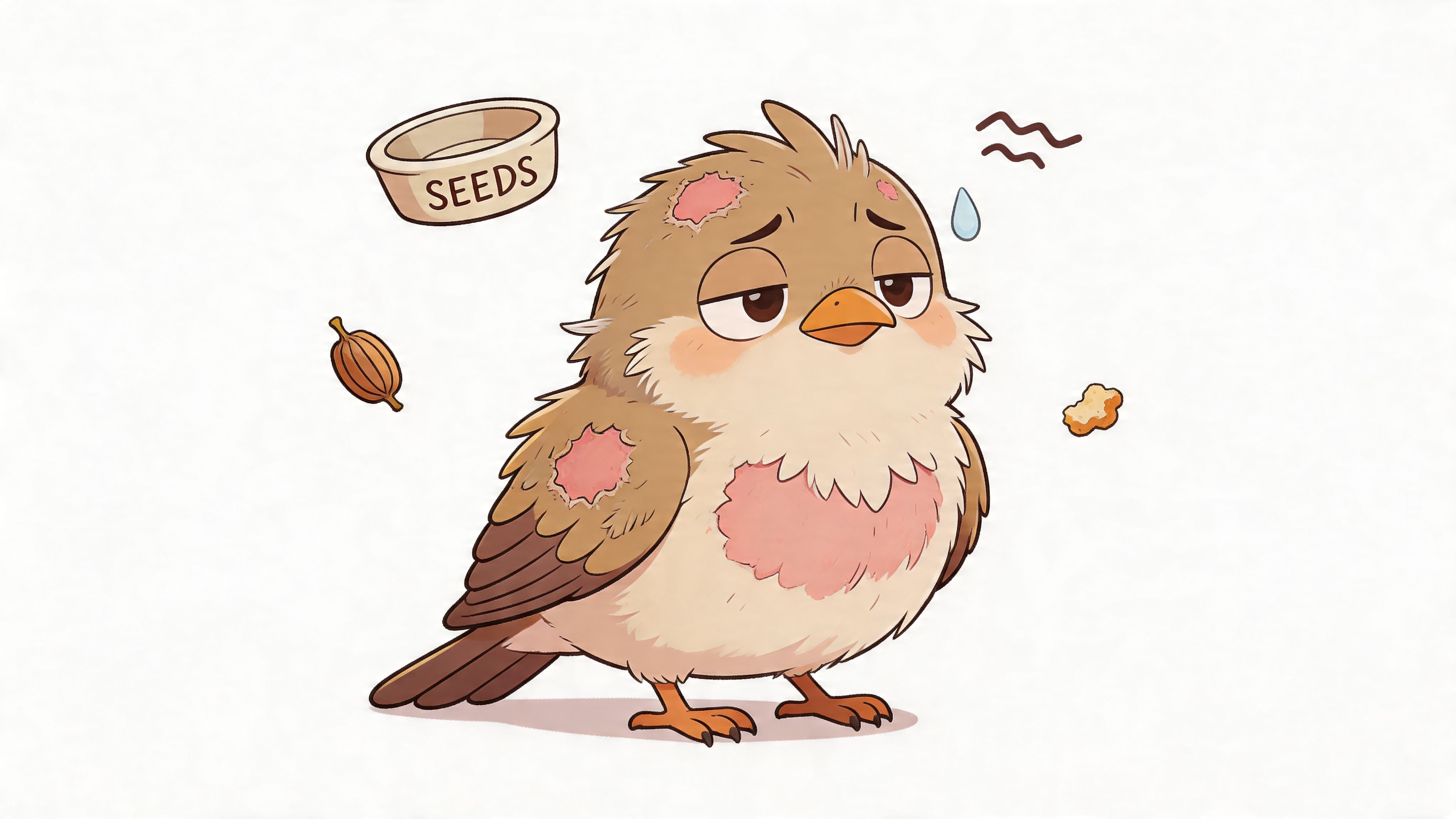
Parrots are smart, social, busy animals. A bored bird may redirect all that energy into overpreening or feather plucking. Anxiety can do the same thing.
This is especially common when a bird lacks enough:
- Foraging opportunities
- Shreddable materials
- Climbing and movement
- Predictable routine
- Sleep and quiet time
A bird isn’t being “bad” when they pluck. They’re struggling.
Environment matters more than many people think
Dry air, poor bathing opportunities, poor diet, and a stressful setup can all make feather quality worse. The follicles may still be able to produce feathers, but the bird’s body may not be in a great position to grow strong ones.
Perches matter here too. A stable setup supports movement, comfort, and healthy wear on the body. Some bird parents add options like a medium calcium perch for parrots as one part of a varied perch setup, alongside natural wood and size-appropriate textures.
Health problems can mimic “just a bad molt”
Feather loss can also be tied to medical problems such as skin irritation, infection, parasites, or serious disease. That’s why a bird with bare skin, broken feathers, or sudden change in behavior should never be brushed off as “probably molting.”
You don’t need to diagnose the cause at home. You do need to notice that something looks wrong.
If your bird’s skin is visible and the pattern looks odd, it’s time to stop guessing and start observing more carefully.
Sometimes regrowth is slow. Sometimes the follicle is damaged
Most feathers do grow back when the follicle remains healthy. But chronic plucking, repeated trauma, or severe injury can damage a follicle enough that regrowth becomes poor or absent.
Primary flight feathers deserve special mention. In a controlled study on American kestrels, 100% of tail feathers began regrowing within 4 winter months, compared with 58% of secondary feathers and 8% of primary feathers. Completion rates were even more striking: 95% of tail feathers, 30% of secondary feathers, and 0% of primary feathers completed normal growth in that period, according to this study on feather regrowth after extraction.
That study was not on companion parrots, but it does show an important principle. Primary flight feathers are especially hard to force back on a short timeline.
If a bird has badly damaged flight feathers and can’t safely wait for the next molt, an avian professional may discuss imping, which is a careful feather repair method using donor feathers. It’s not a home project, but it can be a valuable option in the right hands.
Supporting Healthy Feather Regrowth A Bird Parents Toolkit
When people ask do bird feathers grow back, the most useful follow-up is this one. What helps them grow back well?
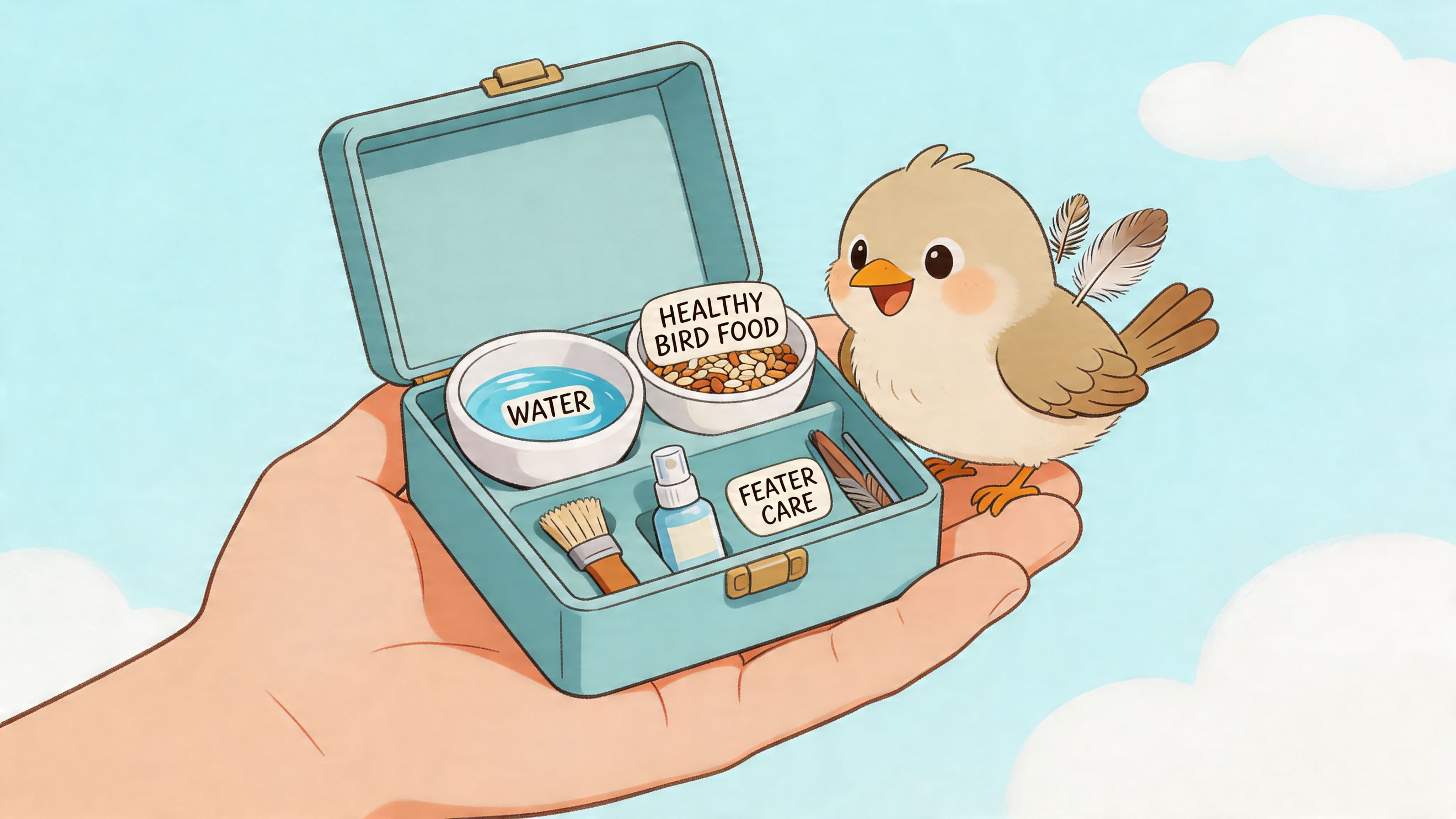
The answer is simple in theory and very practical in daily life. Give the bird’s body good building materials. Give the bird’s mind good things to do. Give the bird’s environment a setup that supports rest, comfort, and normal behavior.
Feed the feathers
Feather growth takes energy. Chronic stress from boredom or a poor environment can send follicles dormant, and regrowth can be reactivated by providing 10-15% protein, 8-10 hours of dark sleep, proper humidity, and stress reduction through enrichment. A healthy molt can also cost a bird up to 30% of its body reserves, which is why good nutrition matters so much, as explained in this guide to promoting feather growth.
In plain language, feathers are expensive for the body to make.
A practical food routine often includes:
- A solid staple diet that doesn’t rely only on seeds
- Protein support appropriate for the species and diet plan
- Foods rich in vitamin A as part of balanced nutrition
- Steady access to fresh water
If your bird is molting hard, this isn’t the time for nutritional shortcuts.
Make the room feather-friendly
Feathers do better when the whole setup supports comfort.
Try these basics:
- Keep humidity in a healthy range so skin and feathers don’t dry out
- Offer bathing opportunities if your bird enjoys them
- Protect sleep time with a quiet, dark routine
- Choose the right cage size so your bird can move, stretch, and balance comfortably
A good enclosure setup plays a big role in long-term feather health. This guide to choosing the best bird cages for parrots is helpful if you’re reviewing bar spacing, usable interior room, and layout for toys and perches.
Here’s a useful visual if you want to see feather care ideas in action.
Keep the beak busy so the feathers stay safer
Many feather problems are really unmet-needs problems wearing a feather costume.
A busy parrot often does better with:
- Foraging toys that make them work for treats
- Shredding toys that satisfy the urge to chew and destroy
- Climbing areas and playstands for movement outside the cage
- Toy rotation so the environment stays interesting
- Species-appropriate materials that are safe to chew
Good enrichment doesn’t just prevent boredom. It gives your bird a better job than overworking their own feathers.
For a cockatiel, that may mean lighter shreddables and easy foraging. For an African Grey or macaw, it often means tougher puzzle toys, sturdy wood, and more daily activity.
When to Call Your Avian Vet and Final Thoughts
Sometimes the best bird-parent move is not waiting to “see how it goes.”
Call an avian vet if your bird has:
- Bleeding feathers or active injury
- Sudden bald patches
- Red, sore, or broken skin
- Major changes in energy, appetite, or droppings
- Broken flight feathers affecting balance or flight
- Ongoing plucking or chewing
- Little or no regrowth where you expected healing
A vet visit isn’t overreacting. It’s careful, loving care.
Most of the time, feathers do grow back. Molting is normal. Scruffy weeks happen. Pin feathers show up, old feathers drop, and your parrot slowly fluffs back into their polished little self. But when the pattern looks wrong, your bird needs you to notice early.
That’s the core skill. Not just asking, “Do bird feathers grow back?” but learning to read what your bird’s feathers are trying to say.
If you’re building a healthier setup for your feathered friend, Squawk Shop has bird-safe toys, perches, cages, playstands, and enrichment essentials designed for parrots from conures to macaws. It’s a great place to find safe, practical tools that help keep busy beaks occupied and happy birds thriving at home.