

Can Parrots Eat Cherries? A Complete Guide for 2026
Yes, parrots can eat cherries, and the flesh can be a safe, tasty treat when served the right way. But the pits are toxic and must always be removed before your parrot gets even a nibble.
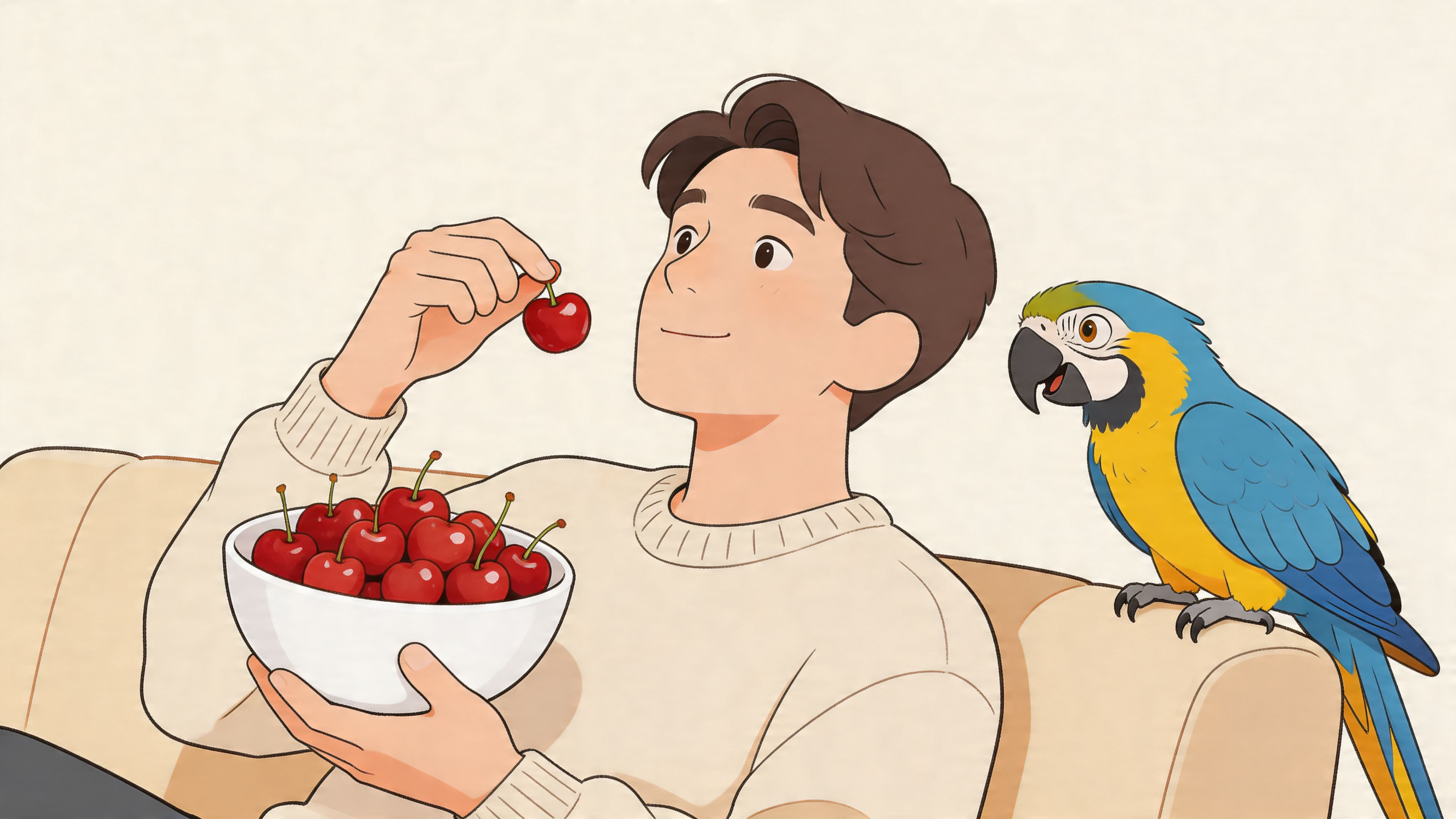
If you're sitting on the couch with a bowl of cherries and your feathered sidekick is giving you that serious, unblinking "are you going to share?" stare, you're not alone. A lot of bird parents ask this question because cherries seem healthy, juicy, and fun to offer. The good news is that they can absolutely be part of treat time.
The important part is the prep. With cherries, this isn't a casual "toss one over and hope for the best" snack. It's more like serving a toddler soup that's too hot. The food itself can be fine, but only after you handle the risky part first.
That makes cherries a great example of smart parrot care. You're not just asking, "Can parrots eat cherries?" You're really asking, "How do I make this safe, species-appropriate, and maybe even a little enriching?" That's exactly where good feeding habits and good bird parenting meet.
That Sweet Red Treat Can Parrots Join the Snack?
A fresh cherry looks like perfect parrot food at first glance. It's colorful, juicy, easy to hold, and interesting enough to grab a bird's attention fast. For many parrots, that bright red color alone is an invitation to investigate.
The short version bird parents need
The answer is yes, but only the flesh. That soft, edible part of the cherry can be offered as an occasional treat for parrots ranging from little budgies and cockatiels to conures, Amazons, African Greys, cockatoos, and macaws.
The pit is the deal-breaker. If the pit is still inside, the cherry is not ready for your bird. It doesn't matter if your parrot is careful, picky, or "usually only eats the soft part." Birds use their beaks to explore. That's what parrots do.
Simple rule: If you haven't pitted the cherry yourself, don't serve it.
Why this question trips people up
A lot of human foods are unsafe for parrots. So when bird parents hear that cherries are okay, it can sound surprising. The confusion usually comes from treating the whole fruit as one thing, when really it's two very different parts.
Imagine a toy with a loose metal clip. The toy might be great once the dangerous piece is removed, but that doesn't make the loose clip harmless. Cherries work the same way. The fruit flesh is the "yes." The pit is the firm "no."
That might sound fussy, but it's very manageable. Once you know the prep routine, cherries become one of those easy seasonal treats that can also double as enrichment. A small bowl treat is fine, but a pitted cherry used in a foraging activity can make snack time much more fun for your flock.
The Hidden Danger Inside the Cherry Pit
The primary risk with cherries lives in the center. Cherry pits contain cyanogenic glycosides, and when a parrot chews or digests them, those compounds can release hydrogen cyanide, which interferes with normal cellular respiration. That's the reason bird vets are so firm about pit removal. You can read that guidance in this veterinary note on fruit seeds and cherry pit safety for parrots.
Why pits are such a problem for parrots
A cherry pit is a bit like a locked container. If it stays completely intact, the contents are more contained. But parrots are expert at getting to the contents. Their beaks are built to crack, peel, pry, and shred.
That matters because a parrot doesn't interact with food the way we do. A person may spit out a pit and move on. A parrot is much more likely to test it, crush it, or chip it apart just to see what happens.
The same veterinary guidance notes that a macaw's bite force can reach up to 400 psi, which helps explain why even hard pits are not a reliable barrier for larger birds. Once fractured, the pit can release the harmful compounds inside.
Not always dramatic, still not safe
One thing that confuses owners is that a bird may not look instantly ill after a tiny exposure. The same veterinary guidance explains that while a single pit may not cause immediate death, chronic low-level exposure can impair thyroid function. So this isn't only about a worst-case emergency. It's also about avoiding repeated small risks that do not belong in a healthy diet.
A parrot's curiosity is wonderful for enrichment and terrible for cherry pits.
There is a simple safety routine that makes a big difference:
- Use a pitting tool: A proper cherry pitter helps remove the seed more cleanly than squeezing or tearing the fruit by hand.
- Check for fragments: Look inside the cherry after pitting, especially if the fruit is soft or split.
- Rinse the flesh: The veterinary protocol also advises rinsing after pitting to wash away any residual amygdalin.
- Serve only clean fruit flesh: No pit, no shell bits, no guesswork.
The takeaway
You don't need to be scared of cherries. You just need to respect the pit. Once bird parents understand that distinction, the whole topic gets much simpler. Cherries aren't on the "never" list. They're on the "prepare carefully first" list.
Unpacking the Health Benefits of Cherry Flesh
Once the pit is out of the picture, cherry flesh can be a lovely treat. It's juicy, colorful, and interesting enough to feel special without needing a lot of fuss. For many parrots, that makes cherries useful not only as a food item, but as a high-value reward during training or enrichment time.
What makes cherry flesh helpful
Cherries contain anthocyanins, and that matters for some birds more than others. According to this discussion of cherries and uric acid support in parrots, cherry flesh may help reduce serum uric acid by 20 to 35% in gout-prone parrots such as cockatoos. The same source says Dr. Rhoda Stevenson, DVM, describes cherries as a "superfood" for managing hyperuricemia.
For bird parents with older parrots or species that can be prone to uric acid issues, that's a meaningful reason to view cherries as more than just a sweet snack.
A treat with a purpose
That same source also notes that in an avian community study, weekly cherry supplementation alongside a pellet base reduced gout incidence by 28% over 6 months in parrots with subclinical gout. That's encouraging, but it doesn't turn cherries into a main food. It means they can have a useful place in a balanced plan.
Good perspective: Cherries are a helpful extra, not the center of the menu.
Parrots still need a strong daily foundation of balanced nutrition. Think pellets, species-appropriate vegetables, and variety. Cherries belong in the treat lane. A very good treat lane, yes, but still the treat lane.
Why moderation still matters
The same source recommends keeping cherries at 5% of the total diet because of their sugar content. That's an easy rule to remember. If your bird is already getting fruit from other sources that day, cherry portions should stay small.
That doesn't make cherries "bad." It just means they're rich, sweet, and best used with intention. A little bit can go a long way, especially for smaller parrots like budgies, parrotlets, cockatiels, and green-cheek conures.
For larger birds like African Greys, Amazons, cockatoos, and macaws, cherry flesh can be an exciting change of pace. For smaller birds, even a tiny piece can feel like a feast. Either way, the key is offering it safely and as part of a varied, enrichment-focused routine.
Your Step-by-Step Guide to Serving Cherries Safely
Serving cherries safely doesn't need fancy kitchen skills. It just needs a repeatable routine. That's good news for first-time bird parents, foster homes, and busy households who want safe food prep to feel automatic.
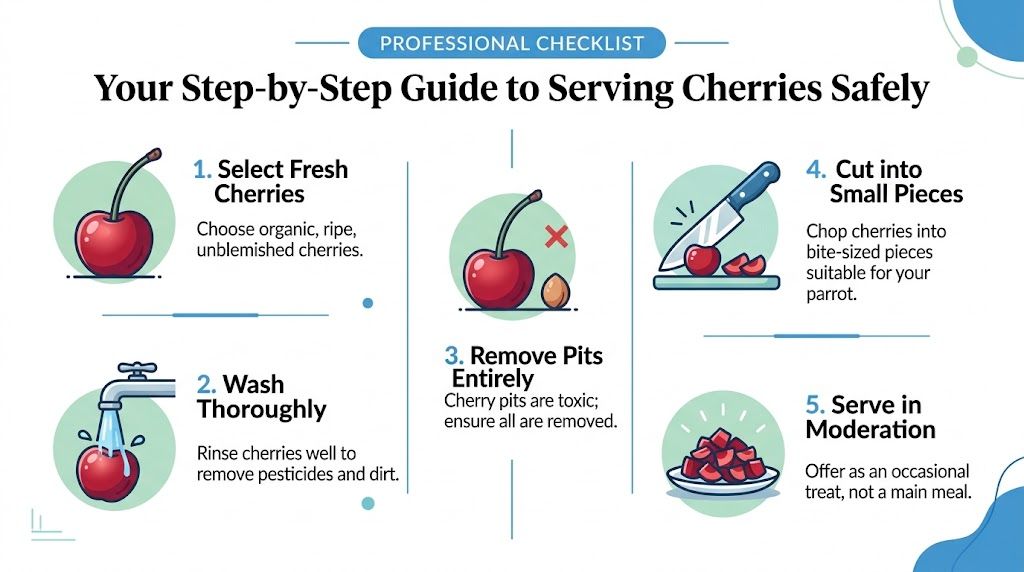
A careful prep habit matters. According to this overview of cherry pit risk in parrots, improper fruit preparation accounts for approximately 8% of diet-related emergency visits annually, and cherry pit incidents make up 15% of those cases. The same source notes that historical records from the Journal of Avian Medicine dating back to 1925 documented fatalities from stone fruit pits, which led to veterinary guidelines recommending complete pit removal for all psittacines.
A simple cherry prep routine
-
Pick good fruit
Choose fresh cherries that look ripe and unspoiled. Skip fruit that's moldy, leaking, or badly bruised. -
Wash them well
Rinse the cherries thoroughly before cutting into them. Clean fruit is always the better starting point for companion birds. -
Pit every cherry completely
Use a cherry pitter if you have one. It makes the job cleaner and helps reduce the chance of leaving seed fragments behind. -
Inspect the inside
Open or squeeze the pitted cherry and look for any remaining hard pieces. This step is easy to skip, but it's the one that catches mistakes. -
Rinse the flesh again if needed
If the pit cracked during prep, give the fruit another rinse before serving. -
Cut for your bird's size
Budgies and cockatiels do better with tiny pieces. Conures and Greys can manage bigger bites. Macaws may enjoy larger chunks, but they still shouldn't get whole uninspected cherries.
Make it safer and more fun
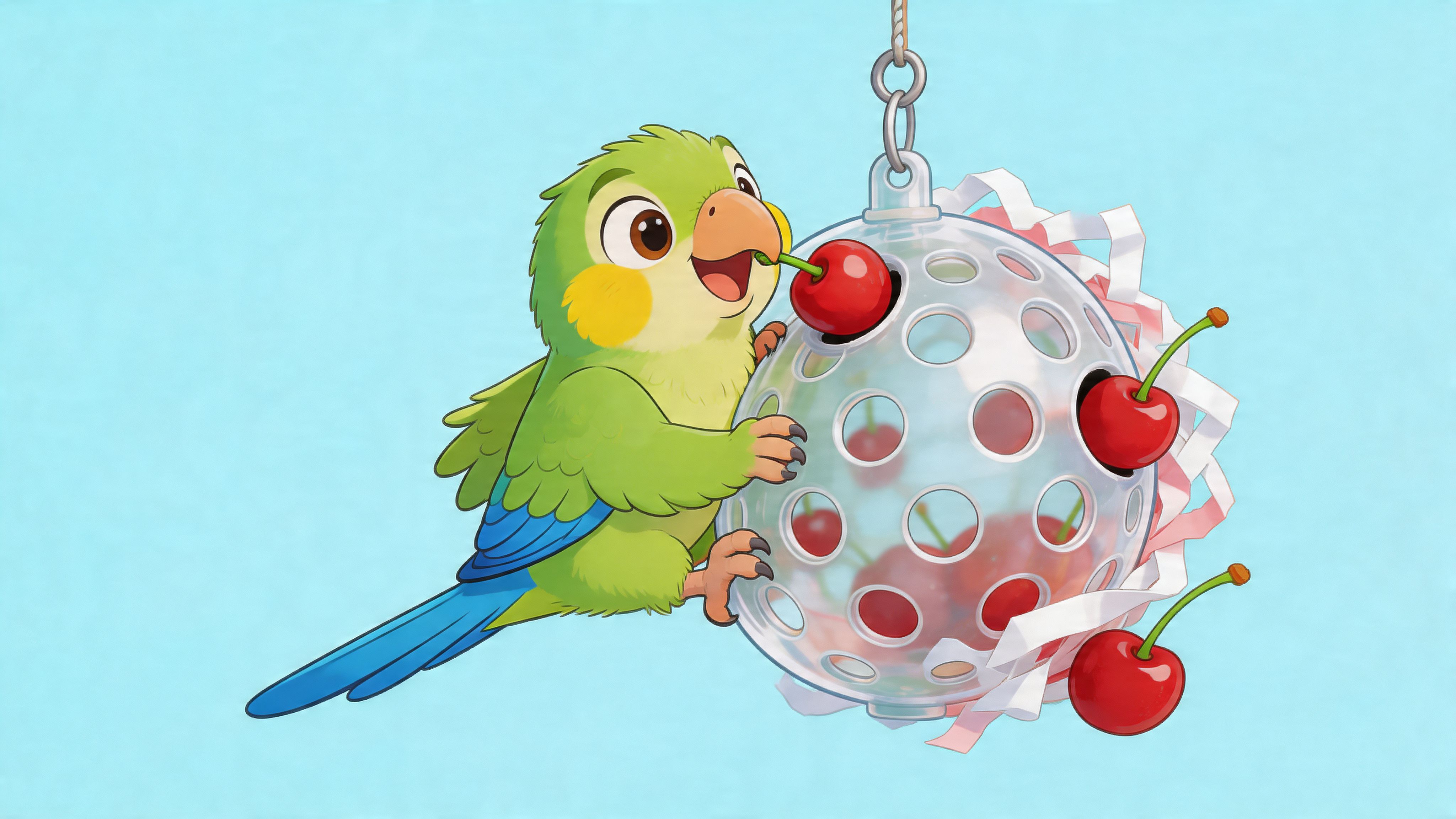
A lot of parrots enjoy food more when they have to work for it a little. After you've prepped the cherry safely, you can tuck a few pieces into a clear acrylic foraging tube for parrots so treat time becomes a mini puzzle instead of a quick gulp-and-go snack.
The safest cherry is one you've washed, pitted, checked, and portioned yourself.
Common prep mistakes
- Trusting pre-cut fruit too much: Even if cherries are labeled ready to eat, inspect them yourself.
- Handing over a whole cherry: It may seem natural, but it gives your parrot access to the pit.
- Serving too much at once: A cherry treat should stay small and purposeful.
- Letting juice sit too long: Remove leftovers before they get sticky and messy in the cage.
Once this routine becomes habit, cherries stop feeling risky and start feeling easy.
Portion Control How Much Is Too Much
Even safe foods can become not-so-great foods when the portion creeps up. Cherries are a treat, not a meal, and parrots don't all need the same amount. A budgie and a macaw may both love cherries, but they're not ordering from the same snack menu.
An easy way to think about portions
For small birds, think in tiny bites. For large birds, think in chunks, not a fruit salad bowl. If your bird could finish the serving in a couple of happy minutes, you're usually in the right neighborhood.
The earlier guidance on cherries noted that they should stay around a small share of the total diet. So if your parrot already had fruit that day, keep cherry portions even lighter.
Recommended Cherry Serving Sizes by Parrot Type
| Parrot Size | Examples | Serving Size (per treat session) | Frequency |
|---|---|---|---|
| Small | Budgies, parrotlets, lovebirds | A few very small pitted pieces, about half a cherry or less | Occasional treat |
| Small-medium | Cockatiels, green-cheek conures | Several bite-sized pitted pieces, about half to one cherry | Occasional treat |
| Medium | Quakers, Senegal parrots, small Amazons | Small chopped portions, about one cherry | Occasional treat |
| Medium-large | African Greys, larger Amazons, cockatoos | One to two pitted cherries, cut up | Occasional treat |
| Large | Macaws | One to two pitted cherries in chunks | Occasional treat |
Watch the bird in front of you
Species matters, but individual habits matter too. One cockatiel may nibble politely. Another may treat cherries like confetti and redecorate the room. One African Grey may savor a few pieces. Another may start holding out for fruit and ignore healthier staples if treats get too frequent.
If your parrot starts acting like cherries are the main event, scale back and return treats to a supporting role.
A practical tip for smaller birds is to serve pieces no larger than a comfortable beakful. For bigger birds, don't let size trick you into over-serving. A macaw can handle more, but "can" isn't the same as "should."
If you ever feel unsure, start smaller. You can always offer another tiny piece next time. It's much easier to build a healthy treat habit than to fix a spoiled one later.
Turn Treat Time into Playtime with Cherry Enrichment
A cherry doesn't have to land in a bowl and disappear in ten seconds. For parrots, food can also be an activity. That's where cherries get much more interesting.
Why enrichment matters here
Wild parrots don't spend their day waiting for a dish refill. They search, sort, chew, peel, and investigate. Companion parrots need chances to use those same instincts. Turning safe cherry pieces into a foraging challenge helps satisfy that natural drive.
That can mean less boredom, more movement, and a more engaged bird. It also stretches the fun of a treat without increasing the amount.
Easy cherry enrichment ideas
- Hide tiny pieces in a foraging toy: Place a few pitted cherry bits in a puzzle toy along with paper or other bird-safe filler.
- Make a mini skewer activity: Add cherry pieces to a bird-safe food skewer with veggies your parrot already knows.
- Try a summer "parrot popsicle": Freeze a small amount of pitted cherry flesh with water for a cool licking activity.
- Use training rewards: Tiny cherry bits can be a fun high-value reward for recall or step-up practice.
- Create a shred-and-search setup: Tuck small pieces into paper cups or crinkle paper so your bird has to sniff and dig.
One of the best parts of enrichment feeding is that it gives bird parents a way to say "yes" thoughtfully. You're not just sharing your snack. You're creating a little project for a busy, clever beak.
If you'd like more ideas for making food part of your bird's mental workout, this guide on why bird toys support parrot happiness and well-being pairs nicely with treat-based foraging.
Keep it tidy and species-aware
Wet fruit can get messy fast. Offer cherry enrichment when you can supervise, and remove leftovers before they dry into sticky artwork on perches and cage bars.
Soft, juicy fruit also works best in simple activities. A tiny budgie may prefer a shallow dish puzzle. A cockatoo may want a bigger challenge. A macaw may turn a delicate setup into "demolition with garnish," which is very on-brand.
Beyond Cherries A Rainbow of Safe Fruits for Your Parrot
Cherries are a nice option, but they shouldn't be the only fruit in your bird's world. Variety helps keep meals interesting and supports a broader range of nutrients. It also prevents your parrot from becoming that one picky eater who insists every snack must be red and shiny.
Other fruits many parrots enjoy
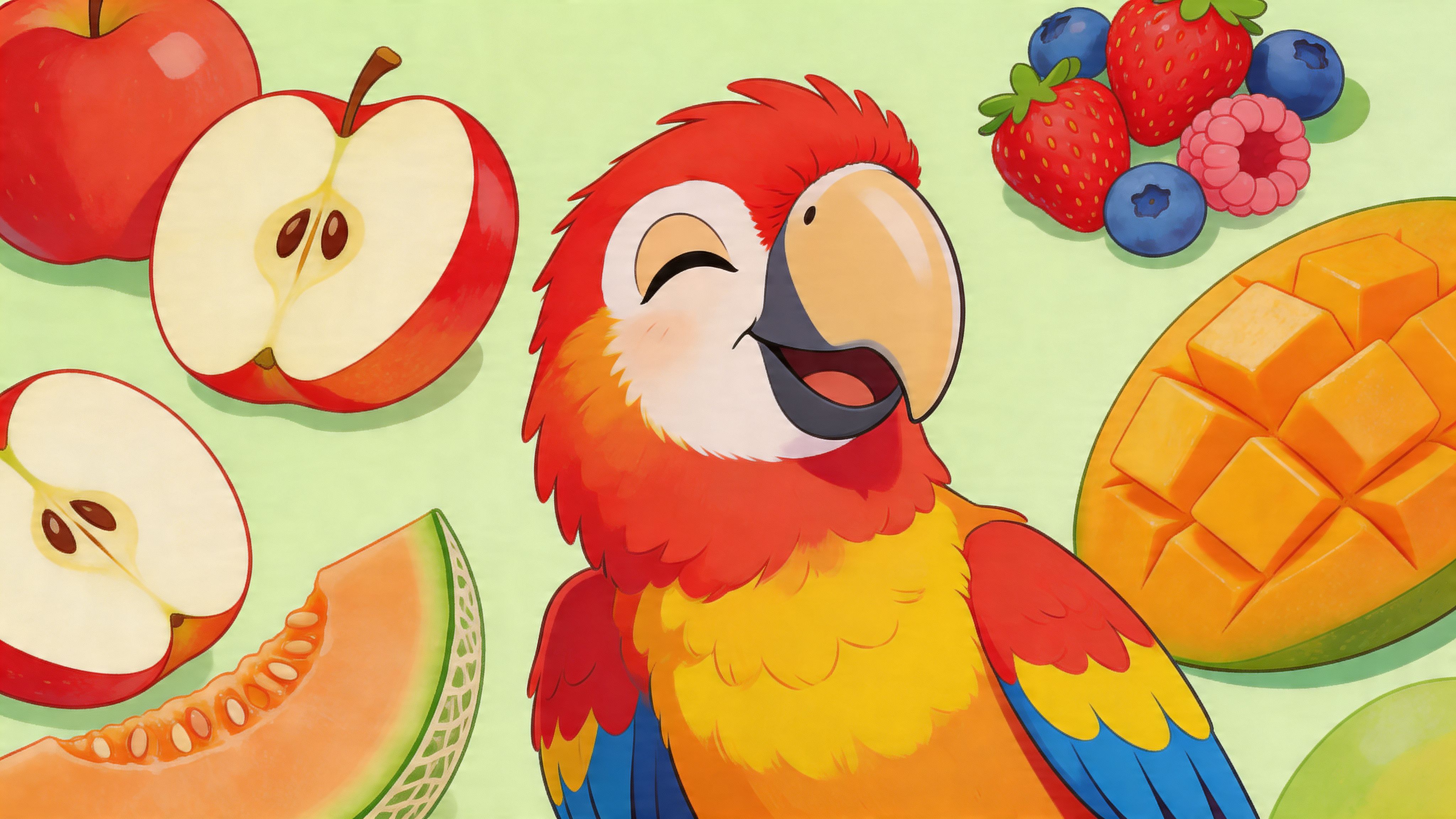
A colorful fruit rotation can include:
- Apples: Serve the flesh, but remove the seeds.
- Berries: Blueberries, raspberries, and strawberries are often easy favorites.
- Mango: Soft, fragrant, and great in small cubes.
- Melon: Hydrating and easy to cut into bird-sized pieces.
- Pear: Mild, juicy, and useful for birds who like softer textures.
- Banana: Soft and easy for many birds, though it can get mushy fast.
The same safety theme applies across the board. Wash produce well, remove unsafe parts, and keep fruit in the treat category rather than letting it crowd out the rest of the diet.
A few important no-thanks foods
Some foods should stay completely off the menu. Avocado is the big one most bird parents learn early, and for good reason. Seeds and pits from certain fruits also deserve caution. If you aren't sure about a part of the plant, don't guess.
When you want to add variety without reinventing snack prep every day, curated bird treats for parrots and companion birds can help round out enrichment in a more predictable way.
Rotating safe foods keeps treat time interesting and helps prevent a one-food obsession.
A broad "safe treat list" is one of the nicest tools a bird parent can build. It makes meal planning easier, supports enrichment, and gives you more ways to reward, train, and bond with your feathered friend.
Frequently Asked Questions From Our Flock
Can parrots eat dried cherries?
Maybe, but with caution. Plain dried cherries without added ingredients may be better than heavily sweetened versions, but they are more concentrated and less hydrating than fresh fruit. For most parrots, fresh pitted cherry flesh is the easier and more natural choice.
Can parrots eat frozen cherries?
Yes, if they were pitted before freezing and served in a safe form. Let them soften enough that your bird can handle them comfortably, or use tiny thawed pieces in enrichment activities.
Are cherry stems or leaves safe?
It's best to avoid them. For cherries, the safest route is to serve only the clean fruit flesh that you've prepared yourself.
What about maraschino cherries?
Those are not a good pick for parrots. They typically come with extra sugar and other ingredients that don't belong in a companion bird's regular treat routine. Fresh is best.
My parrot swallowed a cherry pit. What should I do?
Treat that as urgent. Contact an avian veterinarian right away, or call an emergency vet if your regular clinic isn't open. Don't wait to "see how your bird does," especially if your parrot may have chewed the pit.
Can baby parrots have cherries?
Young birds have more sensitive dietary needs, so it's smart to ask your avian vet before offering new foods. If cherries are approved, they should be pitted, plain, and served in very tiny pieces.
Which parrots usually enjoy cherries the most?
Many do. Conures, African Greys, Amazons, cockatoos, and macaws often enjoy juicy fruit treats. Smaller birds like budgies and cockatiels may also like them, especially when the pieces are tiny and easy to hold.
Can I use cherries for training?
Absolutely. Tiny pieces of pitted cherry flesh can work well as a high-value reward. Just keep the portions very small so your bird stays interested without getting overfed.
If you're building a safer, more enriching routine for your feathered friend, Squawk Shop is a helpful place to explore bird-safe toys, foraging gear, cages, playstands, and practical parrot care resources. Happy birds make happy homes, and a well-prepped treat can be one more small way to keep your flock healthy, curious, and busy in all the best ways.